Understanding Pre-Filled Syringe Filling Machines from Scratch
1. Definition and Applications
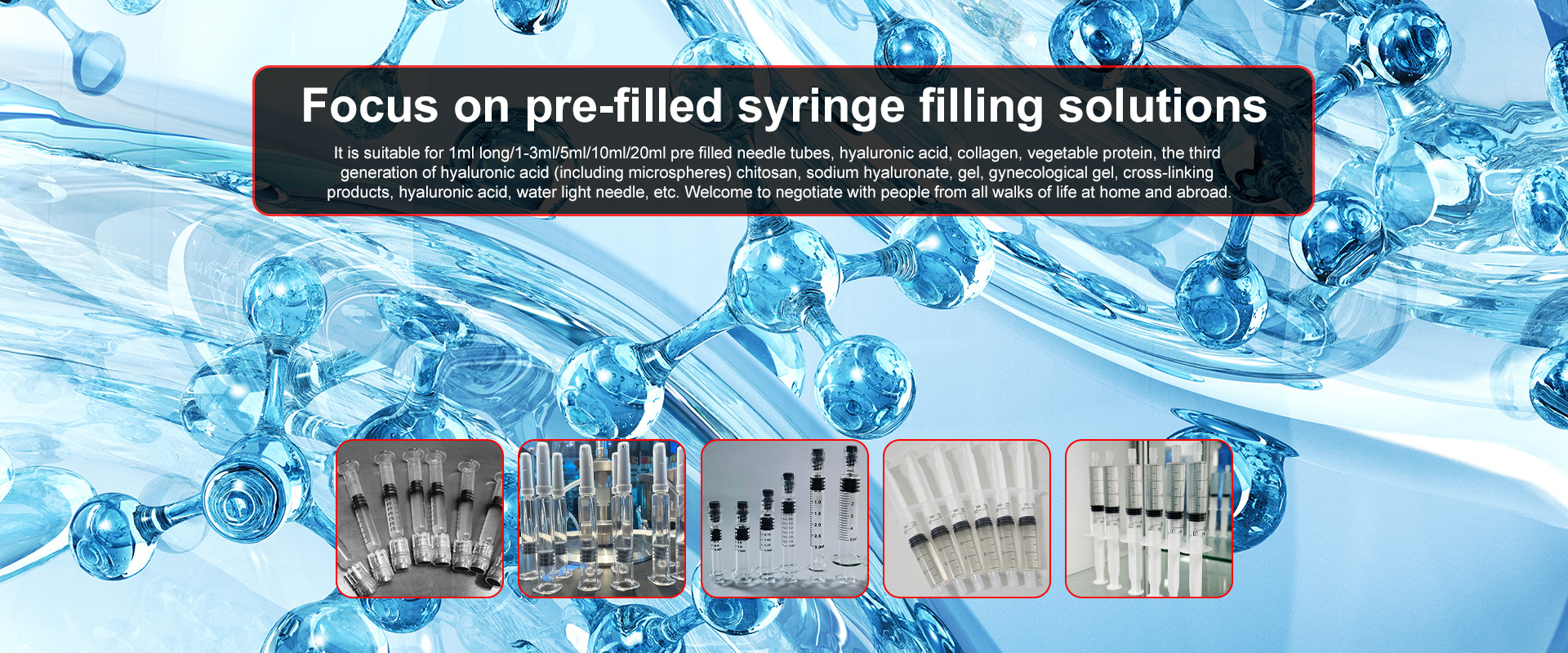
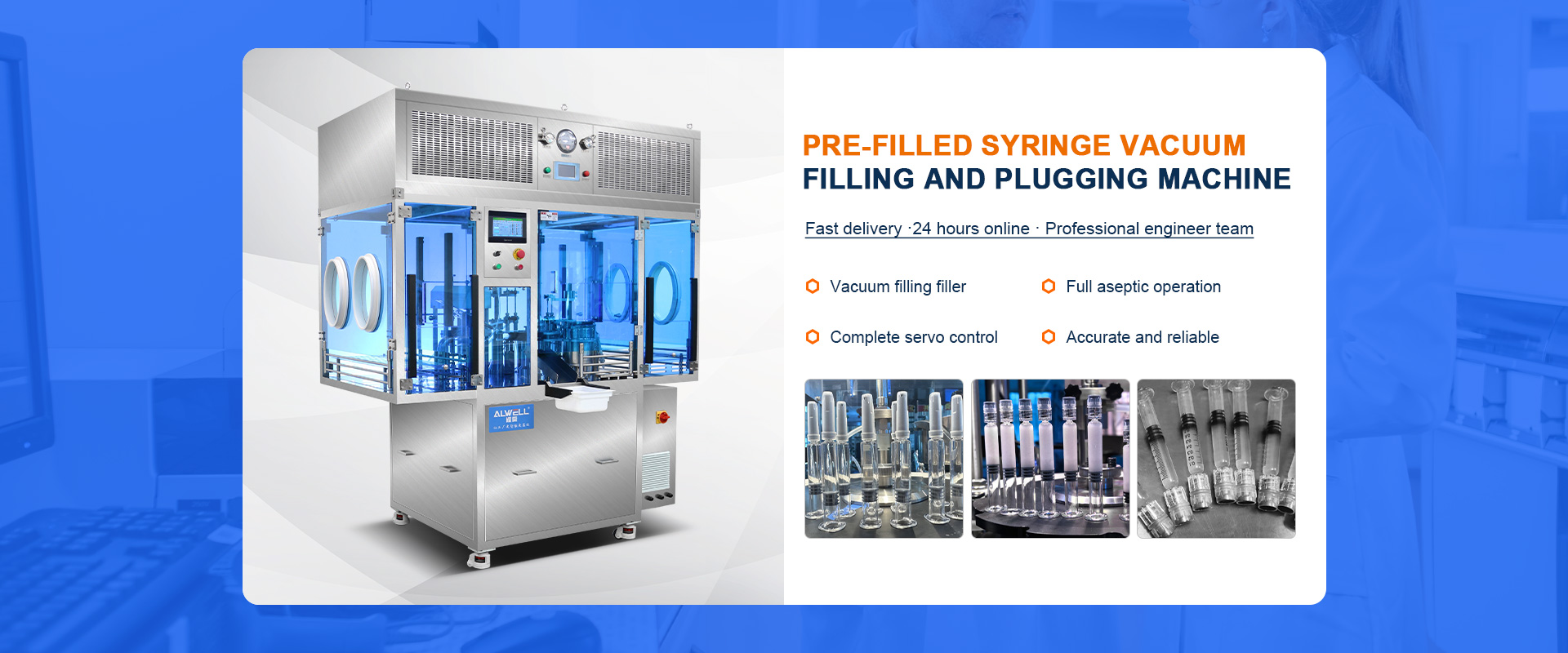
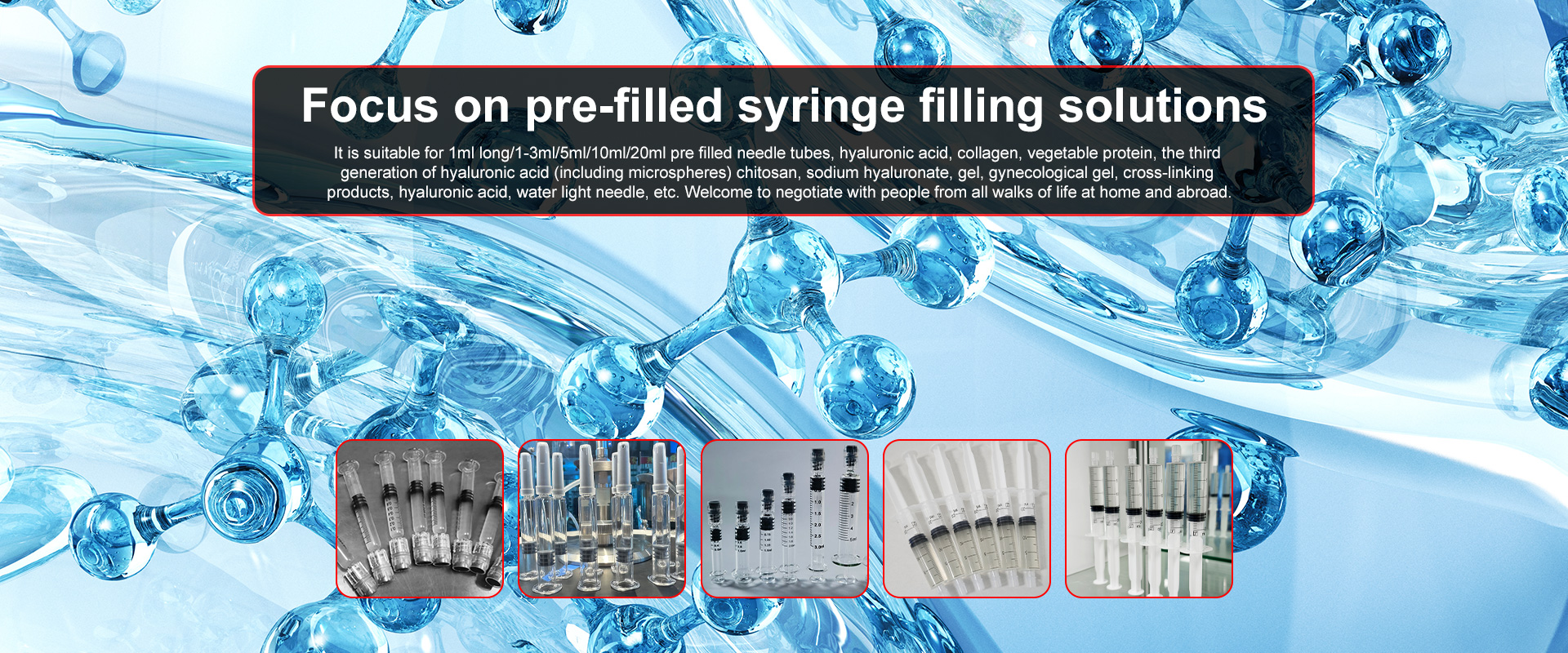
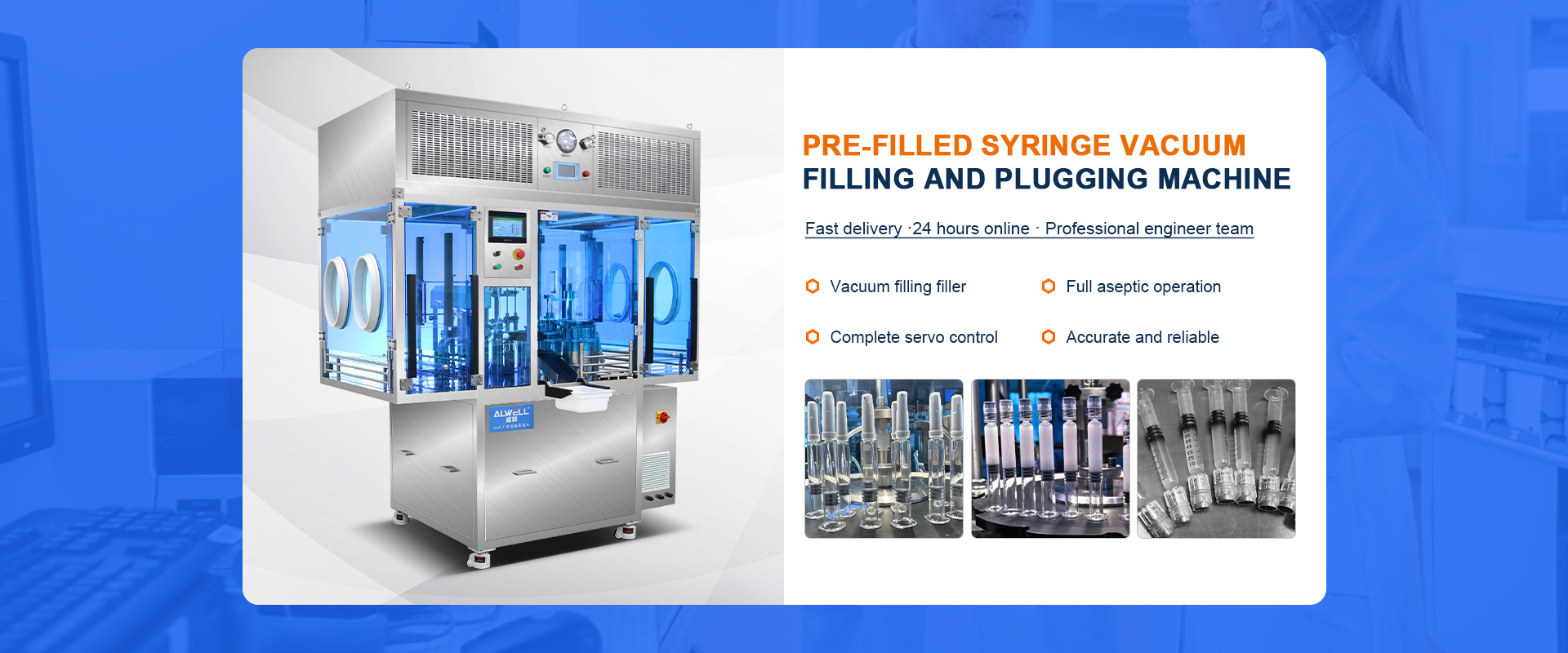
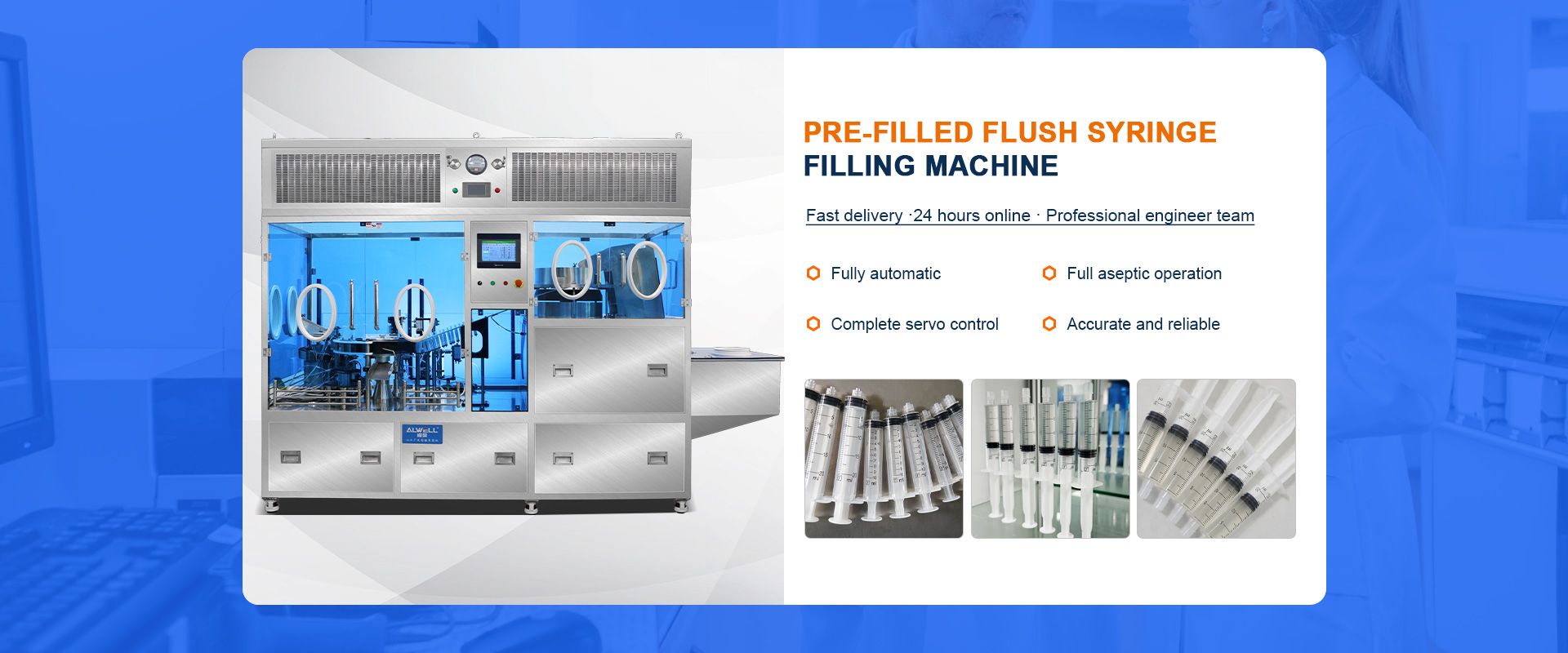
A pre-filled syringe filling machine is a specialized automated device designed to accurately and safely fill liquid medication into pre-filled syringes. As a new form of pharmaceutical packaging, pre-filled syringes integrate the drug and the syringe into a single unit, eliminating the need for manual drawing of medication prior to injection. This significantly improves convenience and safety in drug administration. These systems are widely used in the production of vaccines, biologics, high-end injectables, and other sensitive medications. The pre-filled syringe filling machine is therefore a key piece of equipment that ensures efficient and high-quality manufacturing of such products.
2. Main Components and Functions
(1) Feeding System
Syringe Feeding:
Empty pre-filled syringes are delivered in an orderly manner to designated positions, typically using vibratory bowls or robotic arms. Vibratory feeders use vibration to align syringes in a consistent orientation, while robotic arms offer higher precision in gripping and placing syringes—making them suitable for various syringe types and shapes.
Medication Feeding:
The medication storage tank holds the liquid to be filled and is connected via tubing to the filling pump. Tanks are typically constructed with excellent sealing and corrosion resistance to protect the integrity of the medication. Some machines also include in-line filtration systems to remove impurities and ensure the purity of the filled liquid.
(2) Filling System
Filling Pump:
This is the core component of the filling system. Common types include peristaltic pumps and piston (plunger) pumps.
Peristaltic pumps work by rollers compressing a flexible tube to move liquid at precise flow rates. They offer accurate dosing and contamination-free operation, making them ideal for small-volume, high-precision applications.
Piston pumps utilize reciprocating motion to deliver medication and can generate higher pressure, making them suitable for viscous liquids or large-dose filling.
Filling Needle:
The design and material of the filling needle directly affect filling quality. Factors such as needle diameter, length, and tip geometry must be carefully selected based on syringe specifications and fluid properties. This ensures smooth, accurate delivery while minimizing bubble formation and splash.
(3) Stoppering System
After filling, rubber stoppers must be promptly and precisely inserted to seal the syringe and prevent contamination or evaporation. The stoppering system consists of:
Stoppering mechanism: Uses mechanical or pneumatic force to press the rubber stopper into the syringe neck, ensuring a tight and stable seal.
Stopper feeding unit: Supplies stoppers in sequence to the stoppering station, enabling continuous operation.
(4) Control System
Advanced Programmable Logic Controllers (PLCs) or industrial computers are used to precisely control and monitor the entire filling process. Through a Human-Machine Interface (HMI), operators can set parameters such as fill volume, fill speed, and stoppering pressure. Real-time monitoring includes fluid level, syringe position, and fault alarms. The system also features data logging and storage capabilities, recording production data for traceability, analysis, quality control, and regulatory compliance.
(5) Drive System
Provides power and motion transmission to all moving components, ensuring coordinated operation according to preset sequences and speeds. The drive system typically includes motors, gearboxes, chains, and belts. Its stability and reliability directly impact overall equipment efficiency and filling accuracy.
3. Working Principle
The operation of a pre-filled syringe filling machine generally involves the following steps:
Syringe Loading:
Empty pre-filled syringes are fed to the filling station via the feeding system and precisely positioned using alignment mechanisms to ensure correct orientation.Liquid Filling:
The filling pump draws medication from the storage tank and injects it into each syringe through the filling needle. The control system continuously monitors fill volume to ensure consistency and compliance with specifications.Stoppering and Sealing:
Immediately after filling, the stoppering system inserts the rubber stopper into the syringe. The control system regulates stoppering pressure and speed to ensure reliable sealing.Unloading:
Filled and sealed syringes are transported to the discharge station, where they are removed by an unloading mechanism for subsequent processes such as secondary packaging and sterilization.
4. Classification
(1) By Level of Automation
Semi-Automatic Filling Machines:
Require partial manual intervention (e.g., loading syringes or stoppers), but the filling process itself is automated. These machines have simpler structures and lower costs, making them suitable for small-batch production or R&D applications.Fully Automatic Filling Machines:
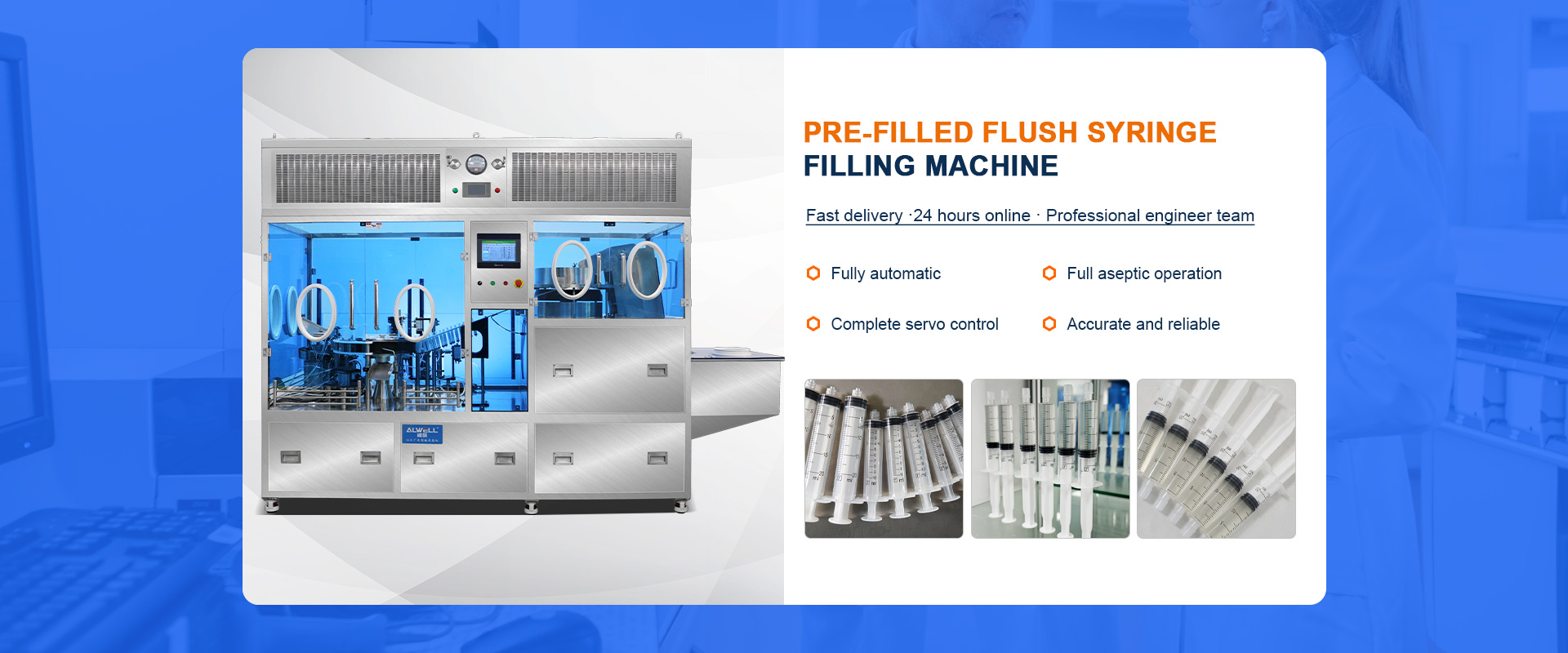
Perform the entire process—syringe feeding, filling, stoppering, and unloading—without human intervention. They offer high efficiency, consistent precision, and stable product quality, ideal for large-scale industrial production.
(2) By Filling Principle
Volumetric Filling Machines:
Use positive displacement pumps (e.g., piston or rotary pumps) to dispense a fixed volume of liquid per cycle. Offers high volumetric accuracy, suitable for applications requiring strict dose control.Gravimetric (Weighing-Based) Filling Machines:
Employ high-precision load cells to monitor weight changes in real time during filling. The control system adjusts dispensing dynamically to meet target weight specifications. Ideal for liquids with variable density or when mass-based accuracy is critical.
5. Development Trends
(1) Intelligence
With advancements in artificial intelligence (AI) and the Internet of Things (IoT), future filling machines will become increasingly intelligent. They will feature self-diagnosis, self-adjustment, and self-optimization capabilities—monitoring operational status and process parameters in real time and automatically fine-tuning settings to improve efficiency and product quality. Integration with enterprise manufacturing systems via IoT enables seamless data sharing, supporting real-time decision-making and predictive maintenance.
(2) High-Speed Operation
To meet growing market demand, pre-filled syringe filling machines are evolving toward higher speeds. Optimized mechanical designs, advanced drive systems, and enhanced control technologies enable faster cycles and greater output per unit time, reducing production costs.
(3) Multi-Functionality
Future machines will go beyond basic filling functions. They will integrate additional capabilities such as in-line liquid inspection, syringe appearance inspection, labeling, and primary packaging—enabling end-to-end, single-line production. This reduces intermediate handling, improves workflow efficiency, and enhances consistency in product quality.
(4) Green and Sustainable Design
With increasing environmental awareness, modern filling machines are being designed with sustainability in mind. Energy-efficient motors, eco-friendly materials, and low-emission components help reduce energy consumption and waste. Improved sealing and containment technologies minimize the risk of liquid leakage and environmental contamination, ensuring compliance with green manufacturing standards.