I. General Working Principle
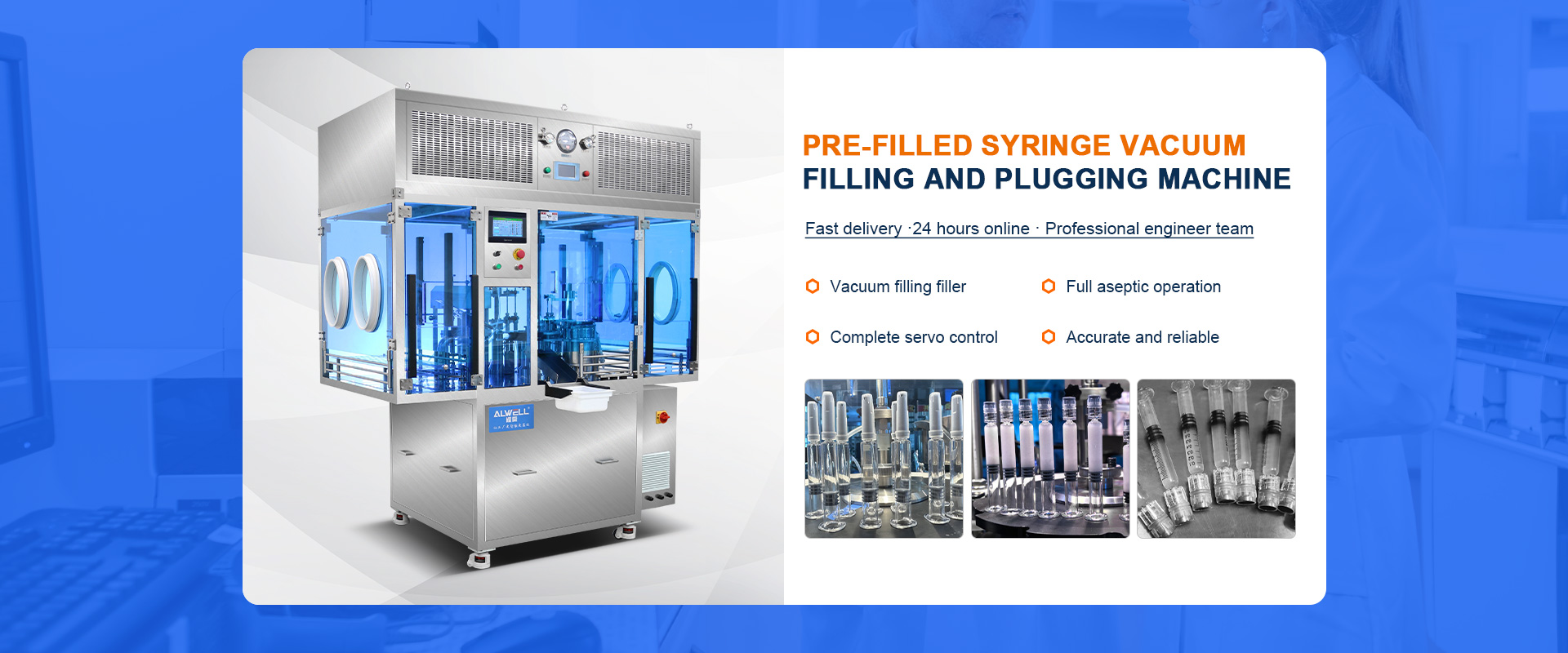
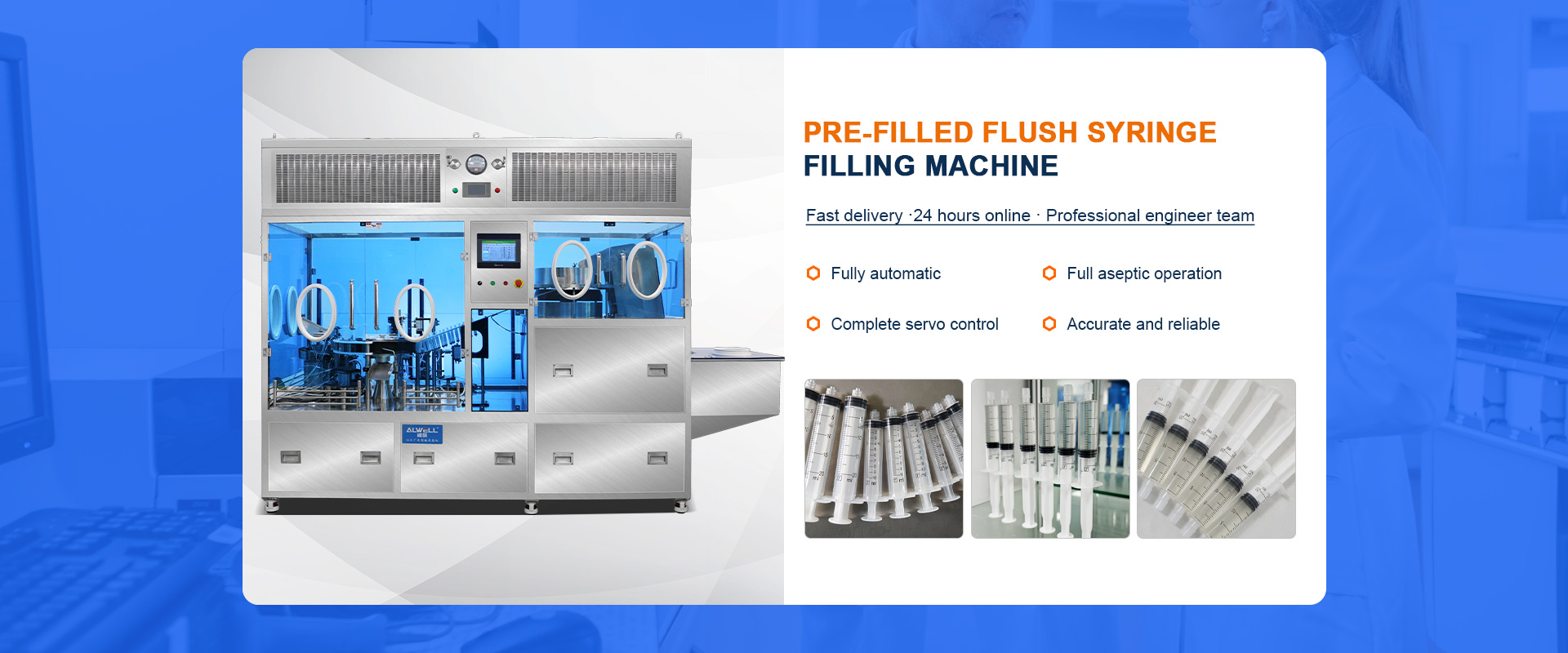
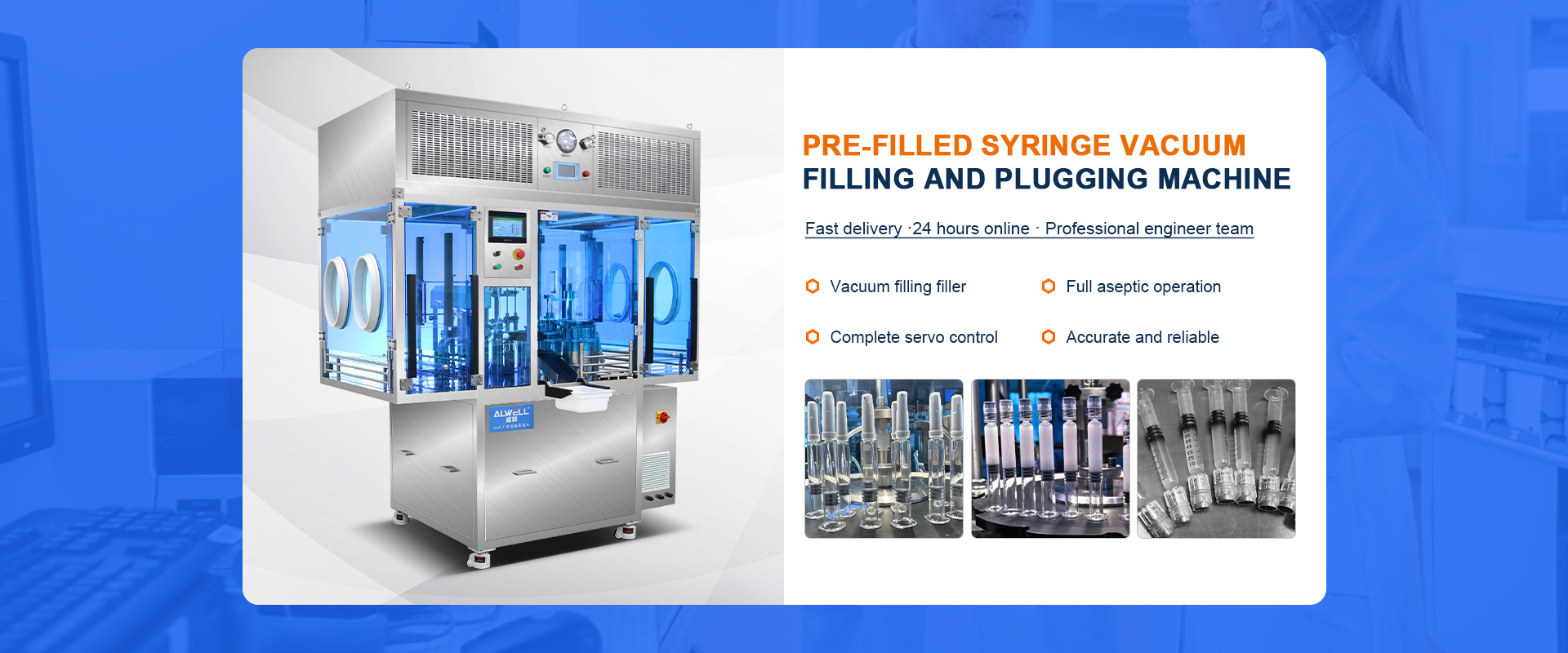
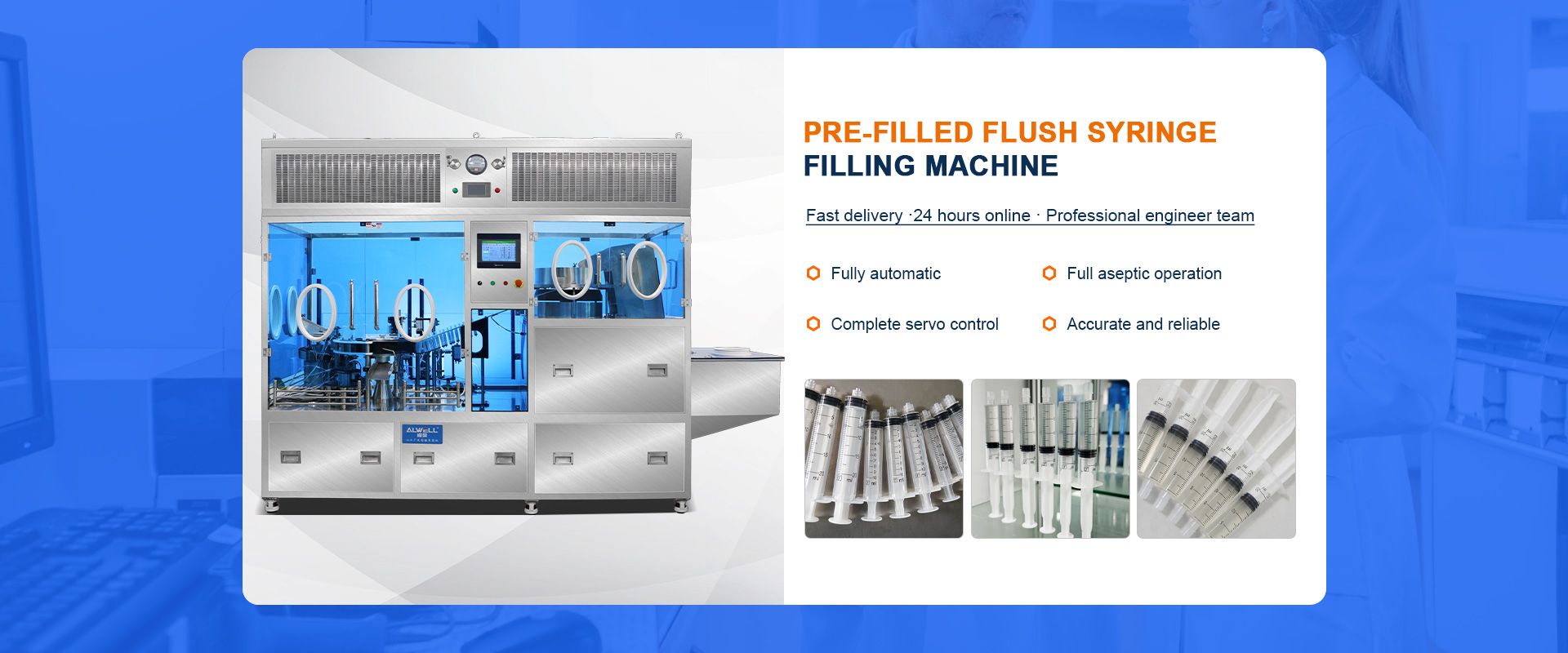
The aseptic processing, quantitative filling, sealing of the stoppers and aluminum caps are achieved through a modular linkage system. The entire process is carried out in an A-class clean environment (ISO 5 level), in compliance with cGMP regulations. The production line consists of five modules: bottle washing → drying and sterilization → filling → stopper adding → cap rolling. These modules are seamlessly connected through conveyor belts and robotic arms.
II. Detailed Explanation of Core Module Principles
Bottle washing and sterilization module
Ultrasonic cleaning: The bottle body is immersed in deionized water/sterile water (WFI), and 40kHz ultrasonic waves are used to remove particles.
Alternating water and gas flushing: The inner wall is purged with water filtered through a 0.22μm filter membrane and then sprayed alternately with sterile compressed nitrogen (3 cycles).
Tunnel-type dry heat sterilization: High-temperature hot air penetrates the bottle body, killing pyrogens and leaving residual moisture at ≤ 0.1%.
2. Filling Module (Critical Precision Control)
Servo pump filling system:
Piston pump: Suitable for high-viscosity liquid medications (such as biological preparations), with an accuracy of ±0.5% volume deviation.
Peristaltic pump: Suitable for low-viscosity liquid medications, with no risk of cross-contamination.
Weight feedback calibration: The online scale continuously monitors the filling volume and dynamically adjusts the pump speed (resolution ± 0.01g).
Aseptic barrier: The filling needle is equipped with a laminar flow hood (with a wind speed of 0.45m/s), and the needle movement is achieved through magnetic levitation technology to avoid vibration.
3. Padding Module
Sealing plug handling:
The rubber stoppers are arranged in a specific orientation by the vibration table → vacuum suction → siliconization treatment (to reduce friction).
Pressing mechanism hand:
Pre-pressure plug: The mechanical claw partially presses the rubber plug into the bottle mouth (creating a reserved exhaust channel).
Final sealing plug: The servo pressure cylinder is fully pressed in with a constant pressure of 20-30N to ensure consistent sealing force.
4. Lamination Module
Three-blade rotary sealing:
The aluminum cap is fed in a directed manner by an electromagnetic vibrator → the mechanical arm picks up the bottle.
The bottle rotates (at 120 rpm) + three sets of radial pressure rollers (the pressure can be adjusted from 10 to 50 N).
The aluminum cap undergoes deformation and the hook claws tightly grip the bottle's lip, creating a mechanical seal.
III. Technological Evolution Direction
Modular design: Supports rapid model change (< 30 minutes to switch between different bottle sizes).
AI visual quality inspection: Real-time identification of rubber stopper defects and lidding flatness (accuracy 0.05mm).
Continuous manufacturing mode: Linked with the upstream blending system, it enables unmanned production from raw solution to finished product.