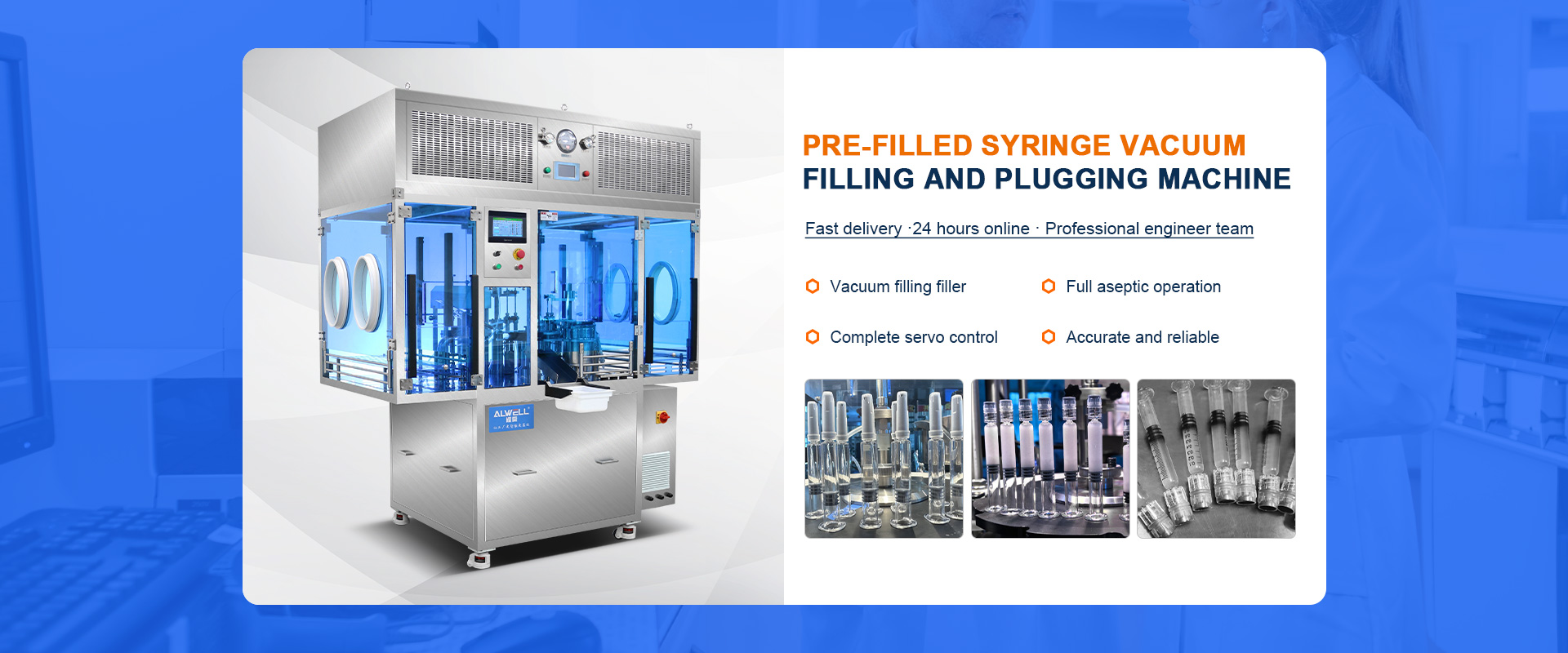
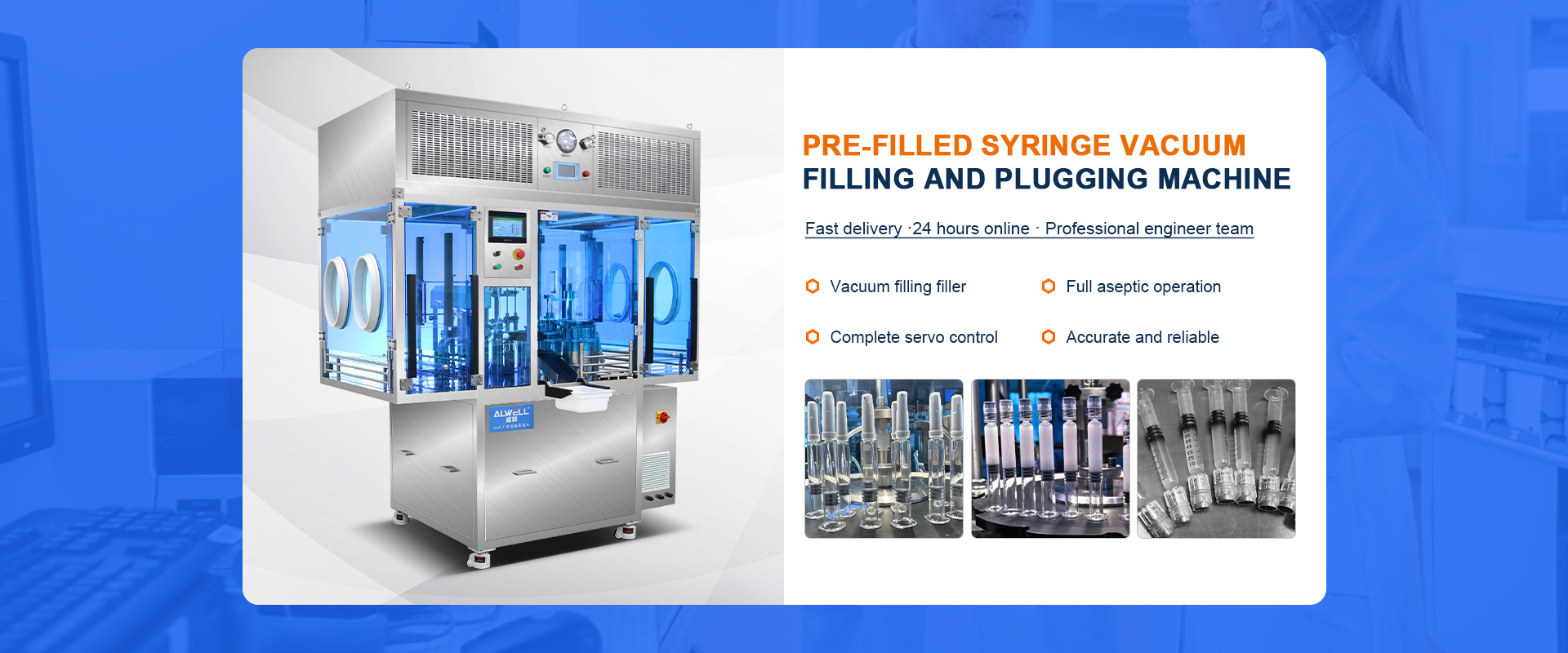
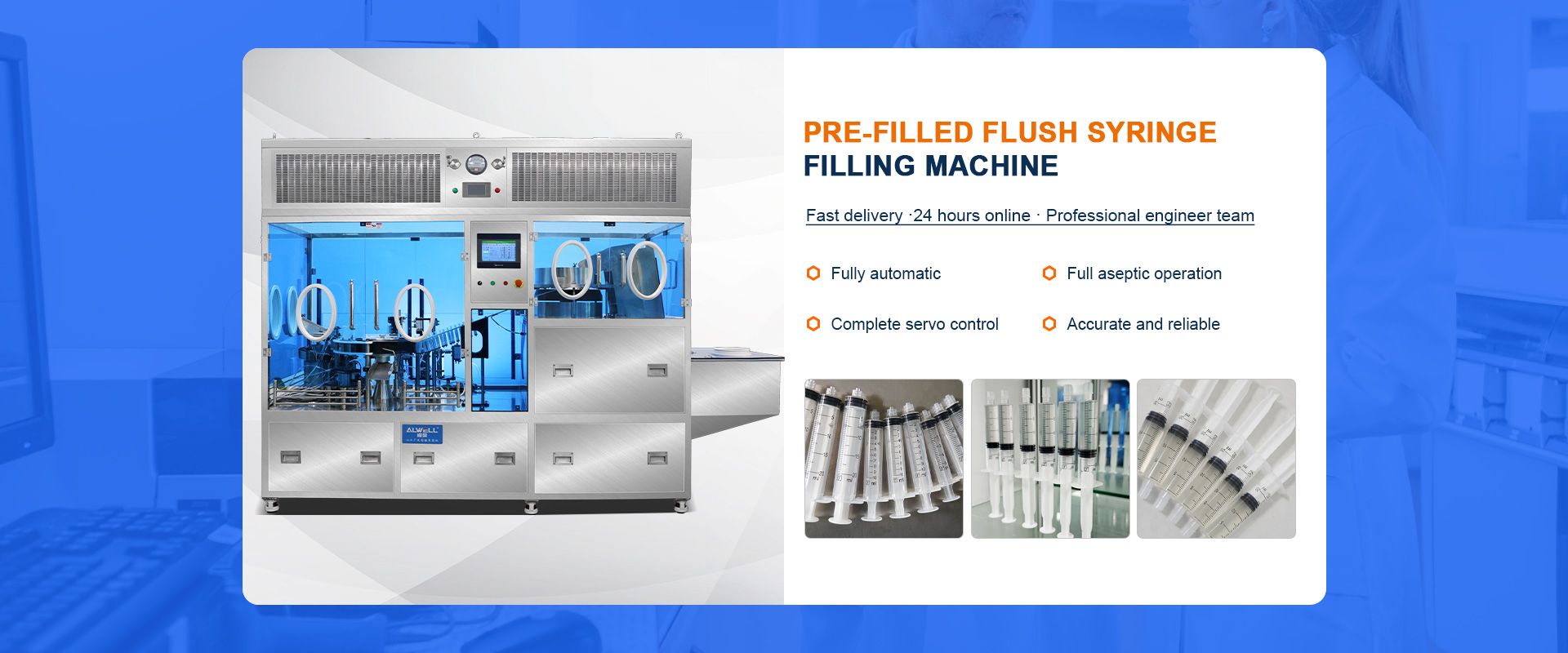
Maintenance Guidelines for High-Viscosity Vacuum Filling Equipment
I. Routine Basic and Performance Maintenance
1. System Cleaning
All components in contact with materials—including storage tanks, pipelines, pump chambers, and valves—should be thoroughly cleaned on a regular basis to prevent clogging or contamination caused by residual high-viscosity liquids.
Use dedicated cleaning agents or high-temperature steam for cleaning, ensuring no dead zones are left uncleaned.
2. Lubrication of Moving Parts
Apply high-temperature and corrosion-resistant specialized lubricants to transmission systems and moving parts to reduce additional friction loads caused by viscous fluids.
Inspect lubrication status monthly and replenish or replace as necessary.
3. Replacement of Critical Components
Replace easily worn parts such as seals, valve gaskets, and O-rings regularly (recommended every 3 to 6 months) to prevent vacuum leaks due to aging.
When replacing, use original manufacturer parts or equivalent specifications to ensure sealing performance.
4. Calibration of Metering and Vacuum Control Systems
Regularly calibrate metering pumps to maintain filling accuracy within ±0.5%.
Check vacuum control system setpoints to ensure responsive and accurate operation.
5. Electrical and Sensor Inspection
Periodically inspect vacuum sensors, control modules, and wiring connections; address any abnormalities immediately.
Prevent system failure or malfunction caused by electrical issues.
6. Mechanical Fastener Tightening
Check bolts, screws, and other connecting components weekly to prevent loosening due to vibration, which may compromise equipment stability.
II. Specialized Vacuum System Maintenance
1. Vacuum Pump Oil Management
· First oil change: Replace oil after the equipment has operated for 100 hours initially.
· Regular oil changes: Replace vacuum pump oil every 2,000 to 4,000 hours of operation.
· Oil condition monitoring: During daily operation, check that oil level remains at the mid-point of the sight glass. Immediately replace oil if it appears cloudy, emulsified, or contains metal particles.
2. Sealing and Cleaning Maintenance
Clean the intake filter or dust protection device of the vacuum pump monthly to prevent dust ingress that could affect vacuum performance.
Pay special attention to sealing components such as shaft seals and O-rings—approximately 60% of vacuum failures result from damaged seals. Replace immediately upon signs of aging or damage.
3. Performance Monitoring and Deep Maintenance
Scheduled Maintenance:
· Perform basic cleaning (e.g., removal of carbon deposits and sediments) approximately every 1,000 hours of operation.
· Conduct full disassembly inspection and maintenance every 3,000 hours.
Operational Monitoring:
· Monitor bearing temperature in real time; it must not exceed 80°C.
· In case of abnormal noise or vibration, shut down immediately and investigate the cause.
III. Long-Term Operational Management Strategy
1. Standardized Operator Training
All operators must receive comprehensive training covering standard cleaning procedures, daily inspection points, and emergency shutdown operations.
Improve operational discipline and reduce risks associated with human error.
2. Preventive Maintenance Planning
Develop a detailed periodic maintenance plan based on the manufacturer’s maintenance manual.
Ensure all maintenance tasks are completed on schedule and properly documented for future analysis and predictive fault diagnosis.
3. Environmental Control
Install equipment in a dry environment with relative humidity maintained below 85%.
Avoid exposure to corrosive gases, which can erode the vacuum sealing system and degrade sealing performance.
IV. Summary
The key focus areas for maintaining high-viscosity vacuum filling equipment include:
· Regular removal of viscous residue;
· Timely replacement of critical sealing components;
· Enhanced oil management and seal monitoring for vacuum pumps.
By implementing the above structured and systematic maintenance program, equipment operational stability and filling precision can be significantly improved, ensuring product quality and meeting sterile processing requirements.