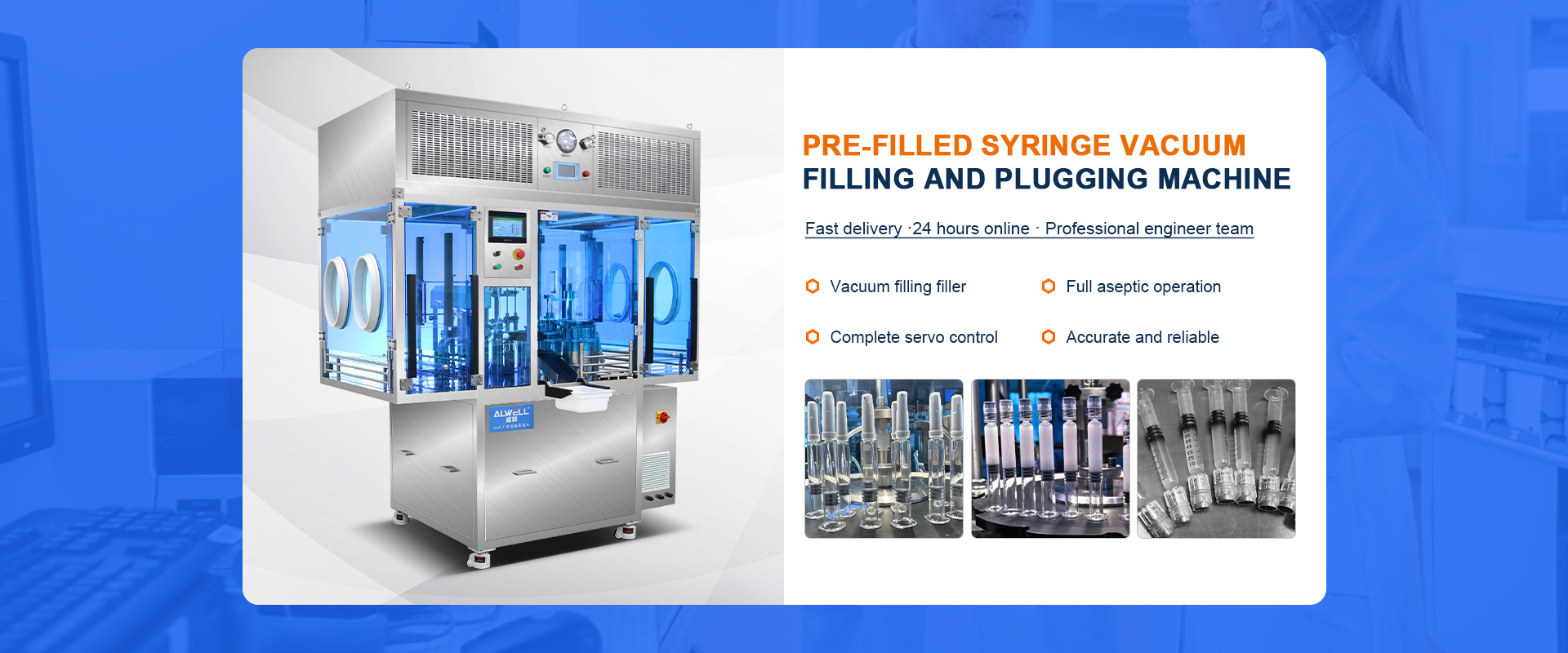
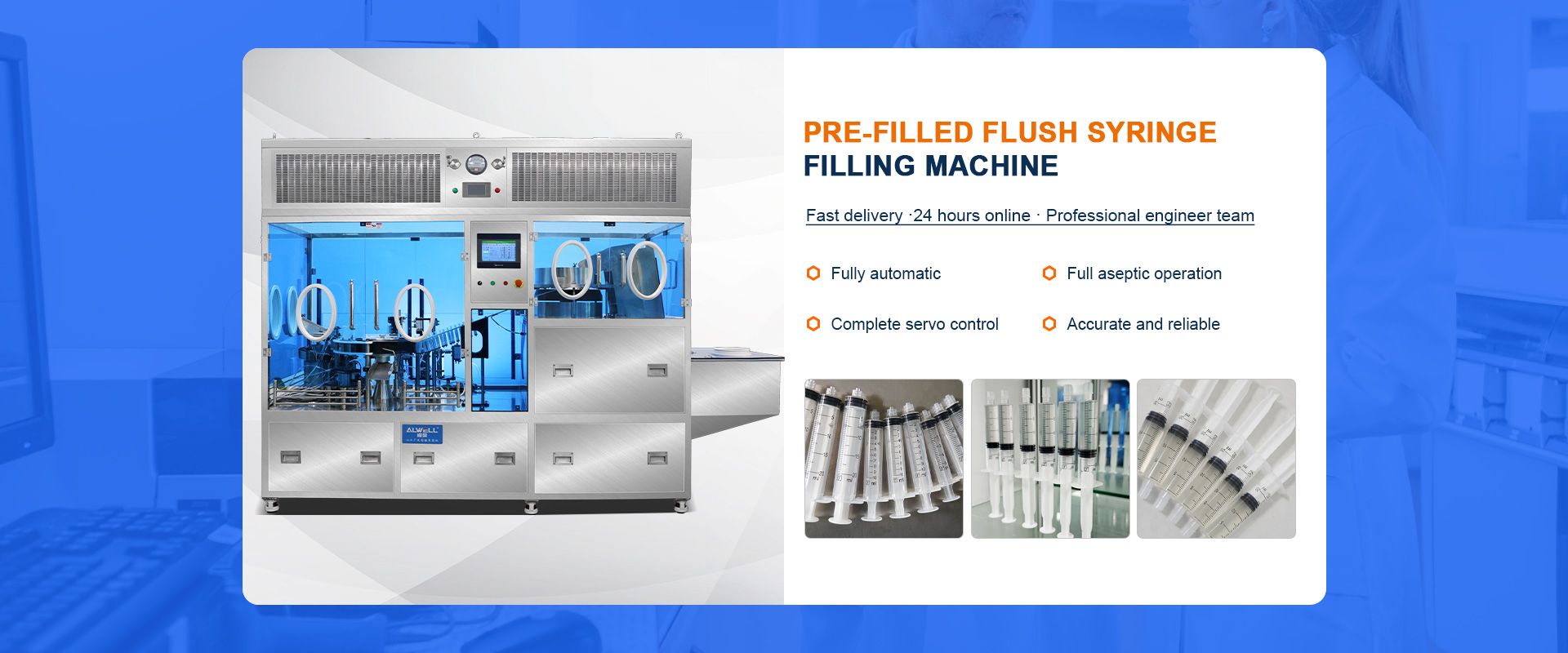
Smart Prefilled Syringe Filling Machine: A Key Enabler for Biopharmaceutical Manufacturing Capacity Expansion
Production Efficiency: Enhanced Speed and Continuity
High-Speed Filling, Multiplied Output
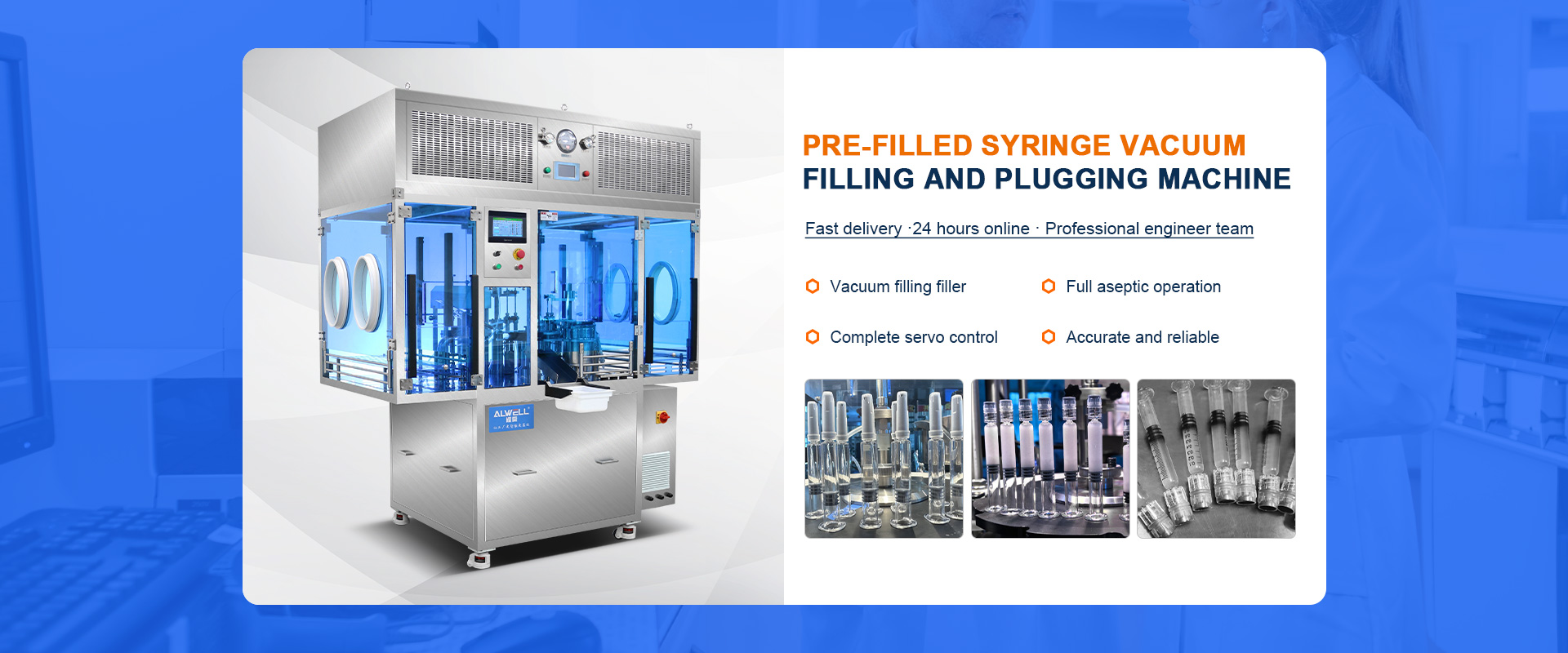
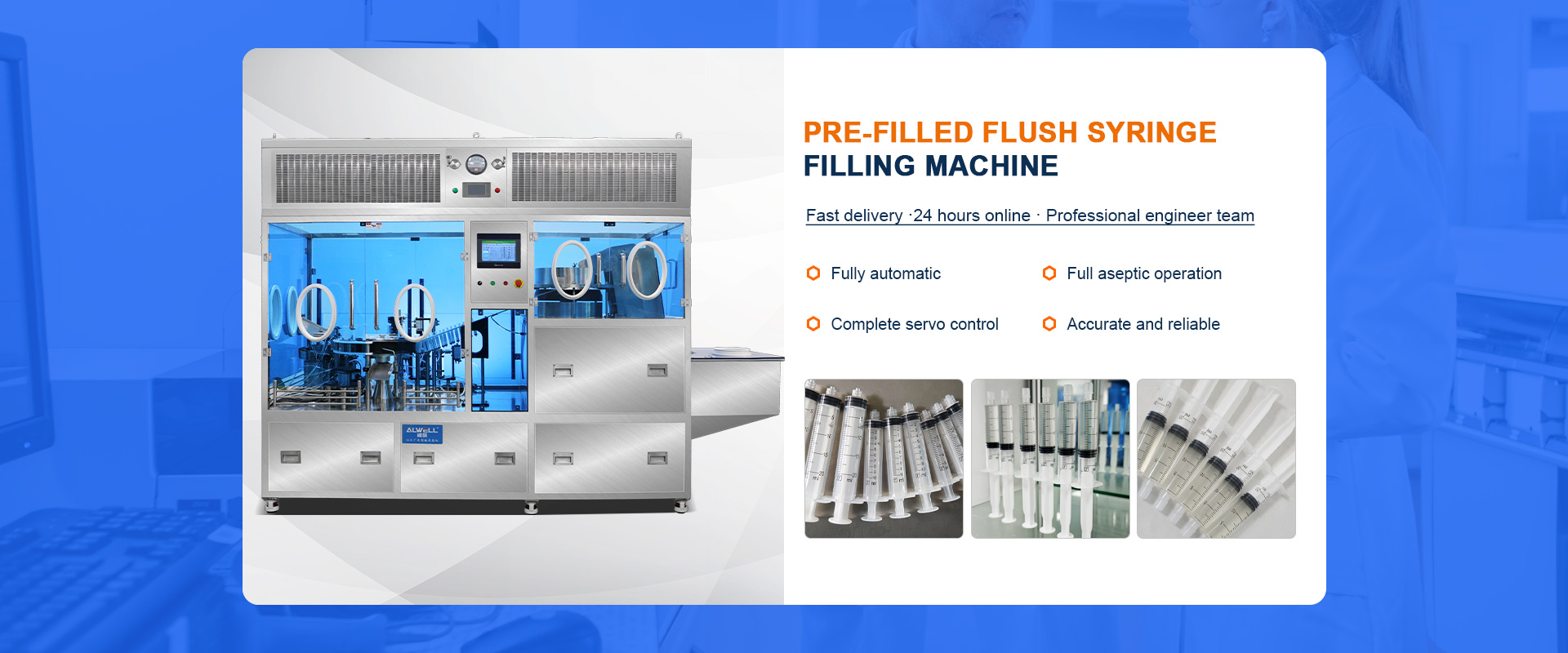
The smart prefilled syringe filling machine leverages advanced mechanical design and intelligent control systems to achieve high-speed filling operations. Compared to traditional equipment, its speed advantage is significant. State-of-the-art intelligent machines can complete thousands to tens of thousands of syringes per hour. This results in a substantial increase in production capacity.
Automated Continuity, Minimized Downtime
This equipment automatically performs loading, filling, sealing, and other processes, enabling continuous production. It precisely fills, seals, and transfers finished products according to pre-programmed sequences, avoiding inconsistent speeds and production interruptions caused by manual operations. As a result, the overall efficiency of the production line is significantly improved.
Product Quality: Stability and Precision Assured
Accurate Filling, Precise Dosage
Equipped with high-precision sensors and control systems, the intelligent machine ensures exact control over liquid medication dosage. In biopharmaceutical manufacturing, accurate dosing directly impacts product quality and therapeutic efficacy. The smart system maintains filling errors within an extremely narrow range—typically within ±1%—ensuring consistent product quality.
Reduced Human Intervention, Improved Yield Rate
Automation reduces reliance on manual labor, thereby minimizing human error. Manual operations are prone to inaccuracies such as incorrect filling volumes or improper sealing due to fatigue or oversight. In contrast, intelligent equipment avoids these issues by precisely controlling sealing parameters, significantly increasing product pass rates and enhancing effective output capacity.
Production Process: Integrated and Flexible Optimization
Integrated Systems, Seamless Connectivity
The smart prefilled syringe filling machine can be integrated with other equipment to form a fully connected production system. For example, it can seamlessly link with unpacking, filling, sterilization, and packaging units. This integration reduces material transfer time and handling steps, lowers contamination risks, shortens the overall production cycle, and boosts manufacturing capacity.
Flexible Adjustment, Rapid Response
Manufacturers can adjust product specifications and types based on market demand. The intelligent machine supports quick reconfiguration of parameters such as fill volume and syringe size. By simply inputting new settings, the system rapidly switches production modes, allowing enterprises to respond swiftly to market changes, optimize production planning, and improve resource utilization.
Production Cost: Dual Reduction in Labor and Materials
Reduced Workforce, Lower Labor Costs
Automated production reduces dependency on human labor. While traditional production lines may require 10–15 workers, intelligent equipment typically needs only 3–5 operators. This significantly cuts labor costs and allows personnel to focus on higher-value tasks, indirectly contributing to increased production capacity.
Reduced Waste, Saved Raw Materials
Precise filling minimizes medication waste. Given the high cost of biopharmaceutical liquids, accurate dosing prevents losses from overfilling or underfilling. This not only reduces raw material expenses but also improves economic efficiency, facilitating production scale-up and further capacity enhancement.