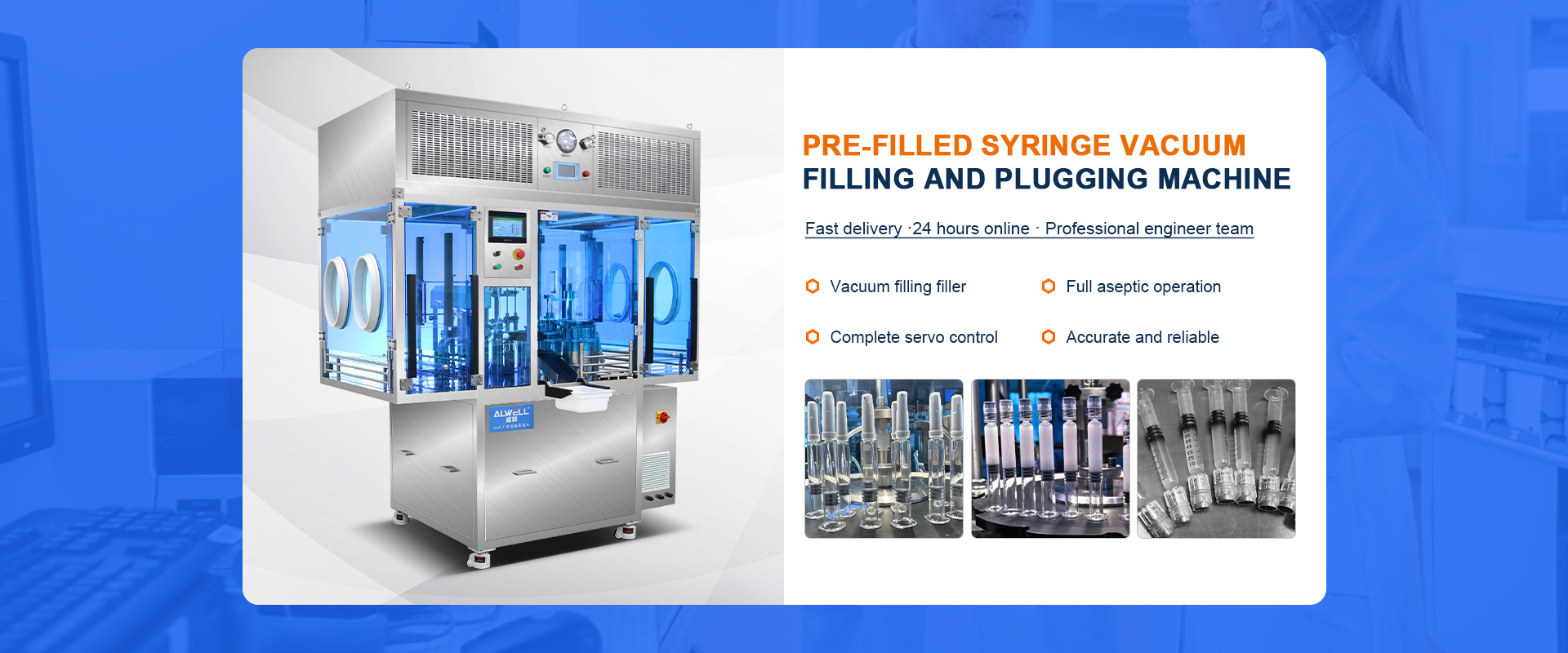
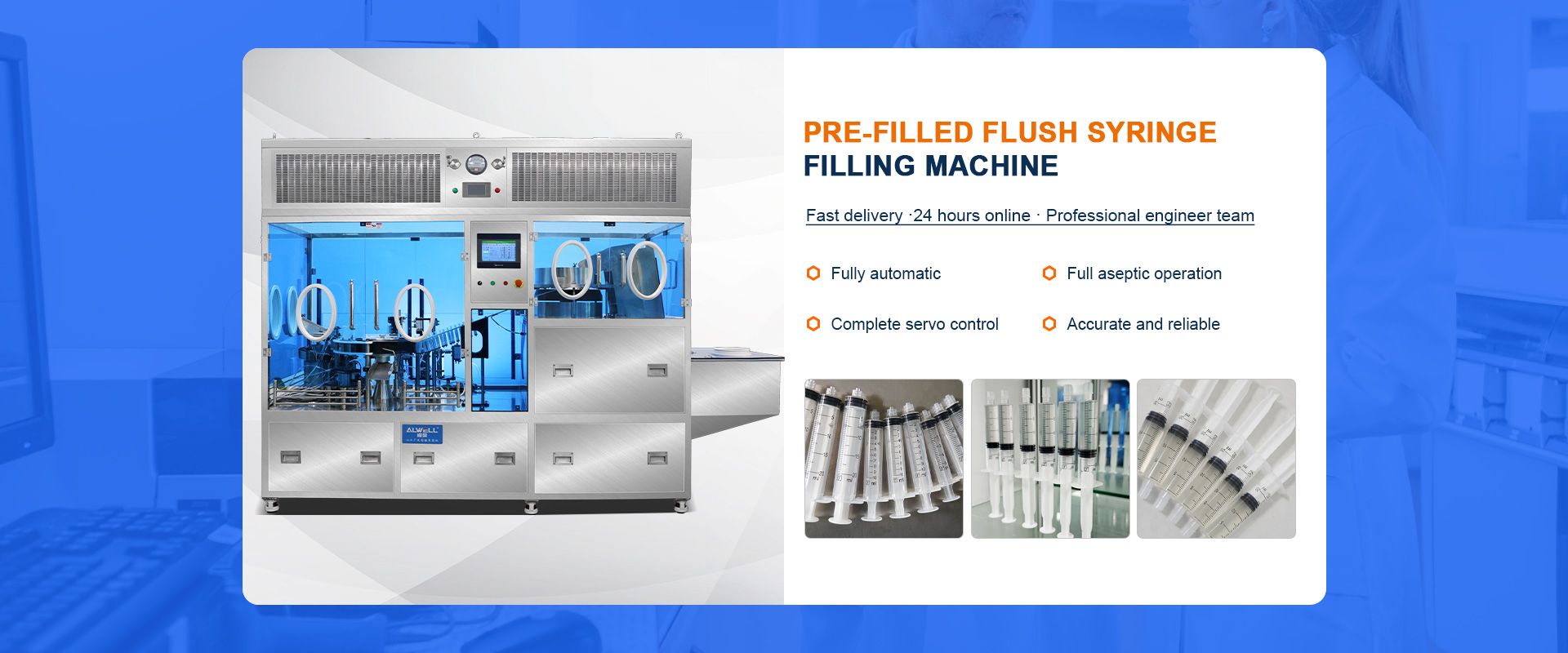
Comparison of Advantages Between Semi-Automatic and Fully Automatic Prefilled Syringe Filling Machines
Advantages of Semi-Automatic Prefilled Syringe Filling Machines
(1) Cost Aspects
Lower Initial Investment Cost
Semi-automatic equipment has a relatively simple structure, with fewer components and lower complexity compared to fully automatic machines. Fully automatic systems require sophisticated sensor arrays, automated loading/unloading mechanisms, and other advanced features, whereas semi-automatic machines rely more on manual assistance for certain operations. As a result, their initial purchase price is typically only a fraction—often one-half or less—of that of fully automatic equipment. This makes them an attractive option for enterprises with limited budgets, significantly reducing capital expenditure.
Lower Maintenance Cost
Due to their simpler construction, semi-automatic machines are less prone to failure, and when issues do arise, they are easier to diagnose and repair. In most cases, in-house maintenance personnel can troubleshoot and fix problems using equipment manuals and practical experience, without needing to rely on external specialists. Additionally, the components used in semi-automatic machines are often standard, off-the-shelf parts, which are inexpensive to replace—further lowering overall maintenance costs.
(2) Operational Flexibility
Suitable for Small-Batch Production
Semi-automatic machines have a clear advantage when producing small batches of multiple product types. Operators can easily adjust machine parameters and workflows according to different product specifications and production requirements. For example, when switching between syringes of different capacities or filling different types of liquid medication, only minor adjustments to fill volume and speed are required—no major reconfiguration or extensive recalibration is needed. This allows for rapid adaptation to diverse production demands.
Convenient Manual Intervention and Adjustment
During operation, operators can monitor the machine’s performance and product quality in real time. If any issues are detected—such as inaccurate fill volumes or misaligned syringes—operators can immediately stop the machine and make manual corrections. This timely intervention helps prevent large-scale production of defective products and ensures consistent product quality.
(3) Personnel Skill Requirements
Lower Technical Skill Requirements
Semi-automatic machines require less specialized technical knowledge from operators. With minimal training, staff can quickly learn basic operation and routine maintenance procedures. This makes them particularly suitable for regions or companies where labor is abundant but skilled technicians are scarce. Moreover, due to higher human involvement, operators gain hands-on experience over time, which can further enhance production efficiency and product quality.
Advantages of Fully Automatic Prefilled Syringe Filling Machines
(1) Production Efficiency
High-Speed Continuous Production
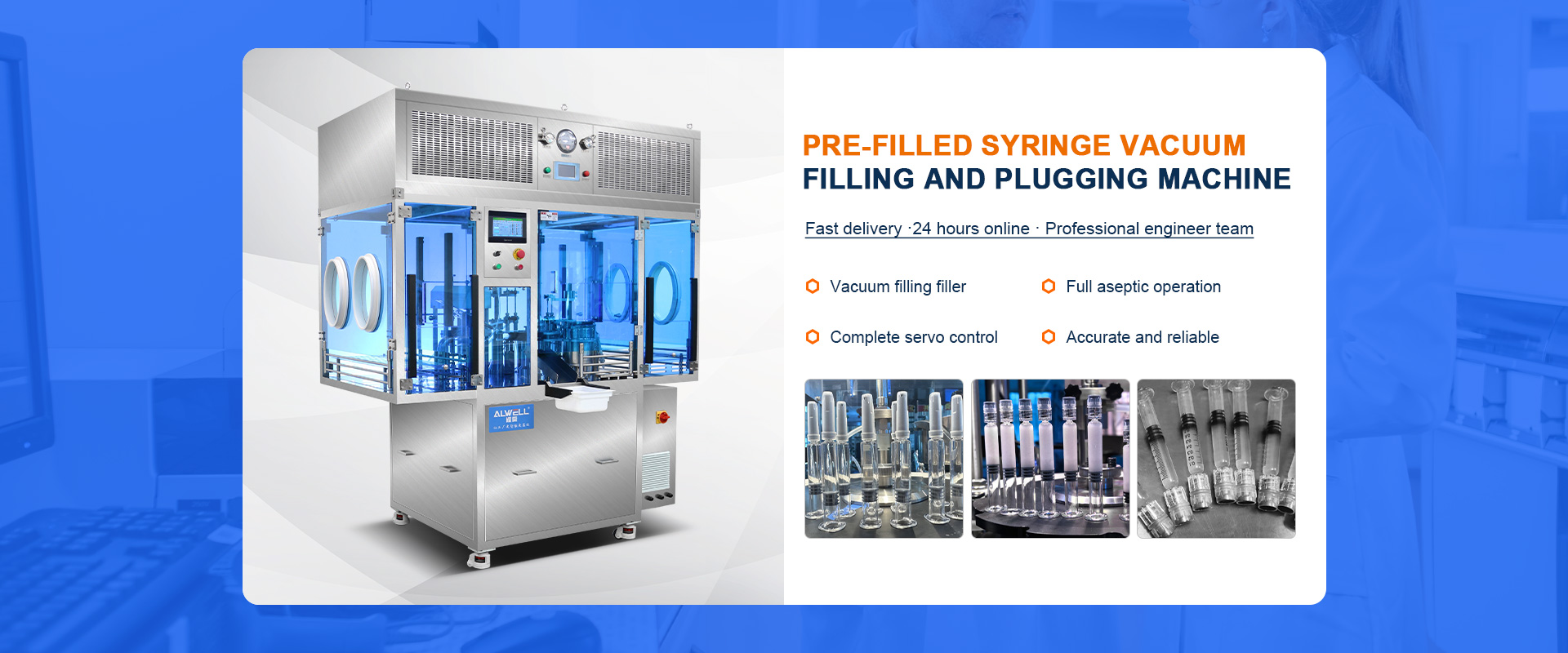
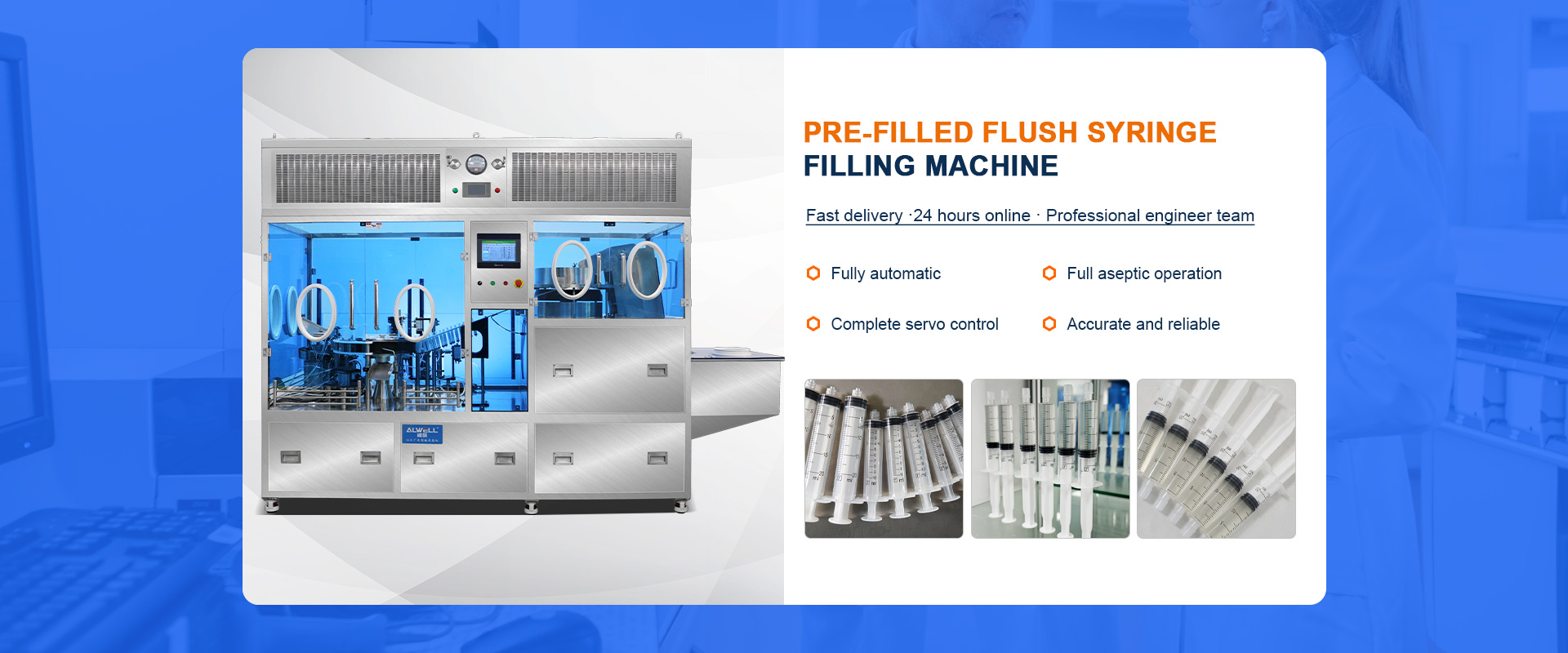
Fully automatic machines enable high-speed, uninterrupted production cycles, far surpassing the output capacity of semi-automatic models. A fully automatic prefilled syringe filling machine can produce thousands of syringes per hour, while semi-automatic machines typically handle only hundreds per hour. This high throughput significantly shortens production cycles, enhances manufacturing capacity, and improves market responsiveness—making it ideal for large-scale production.
Reduced Manual Labor Time
Fully automatic machines integrate all key processes—including feeding, filling, capping, and discharging—into a seamless workflow that requires minimal human intervention. Operators need only set parameters and load raw materials at the beginning; after that, the machine runs autonomously according to pre-programmed instructions. This reduces both labor time and physical workload, and eliminates inconsistencies caused by variable human operation speeds.
(2) Product Quality
High Precision
Fully automatic machines are equipped with high-precision sensors and control systems that accurately regulate critical parameters such as fill volume and syringe positioning. During the filling process, sensors continuously monitor fill levels, and the control system dynamically adjusts fill speed and pressure to ensure every syringe meets exact specifications. Compared to semi-automatic machines, fully automatic systems offer superior filling accuracy and greater consistency in product quality.
Excellent Consistency
Thanks to standardized processes and uniform parameter settings, fully automatic machines deliver highly consistent products in terms of dimensions, performance, and quality—both within a single batch and across different batches. This level of consistency is crucial in industries with stringent quality requirements, such as pharmaceuticals, and contributes directly to enhanced product competitiveness in the market.
(3) Automation and Intelligence
High Degree of Automation
Fully automatic machines achieve end-to-end automation of the entire production process, minimizing human interference. From raw material input to finished product output, every step is controlled automatically by the system. This greatly reduces the risk of quality defects caused by human error and enhances workplace safety by limiting operator exposure to hazardous machine components.
Integrated Intelligent Functions
Modern fully automatic prefilled syringe filling machines come with intelligent features such as fault diagnostics, real-time production data collection, and analytics. The system continuously monitors its own operational status and automatically issues alerts with detailed error messages when faults occur—enabling faster troubleshooting and repairs. Furthermore, by analyzing production data (e.g., output rates, defect rates), manufacturers can gain valuable insights into process efficiency and quality trends, supporting better decision-making and continuous improvement.
This comprehensive comparison highlights how each type of machine serves distinct operational needs—semi-automatic systems offering cost-effective flexibility for smaller operations, while fully automatic systems deliver superior speed, precision, and consistency for high-volume, quality-critical applications.