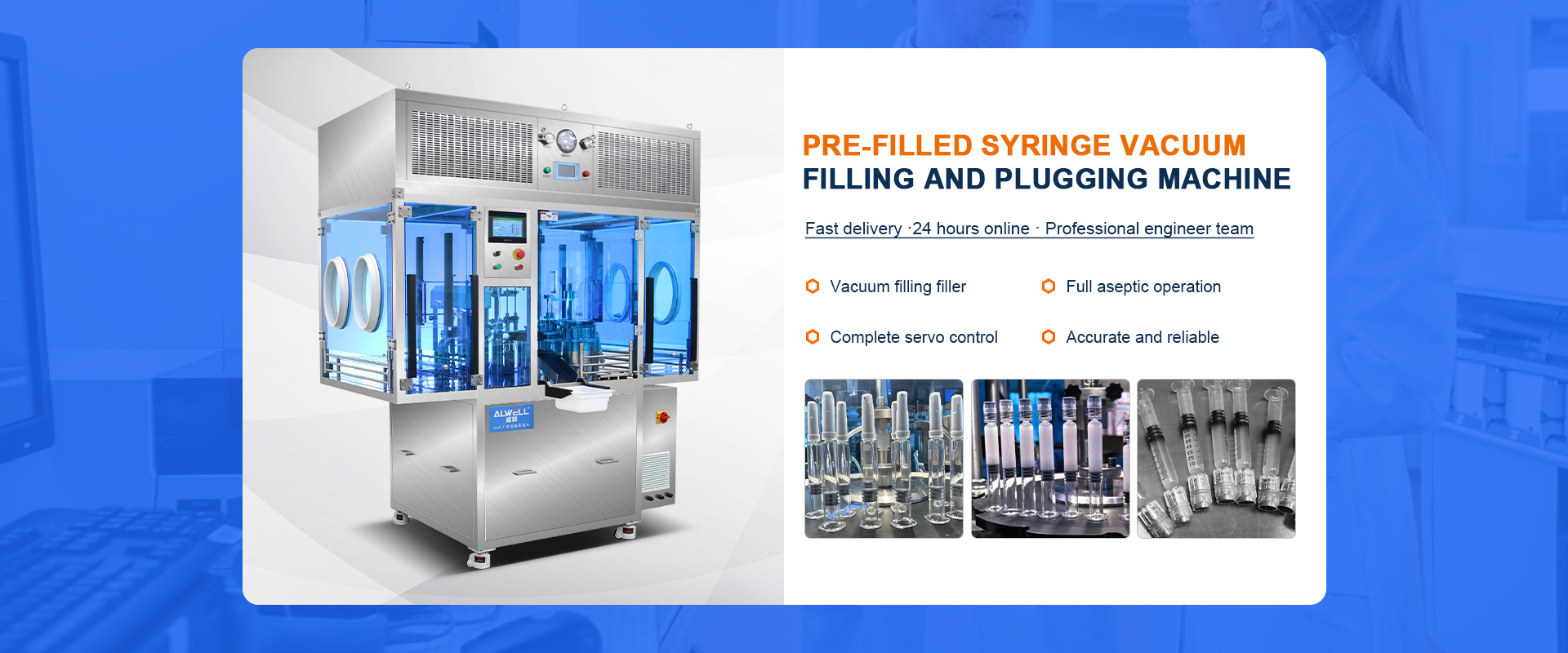
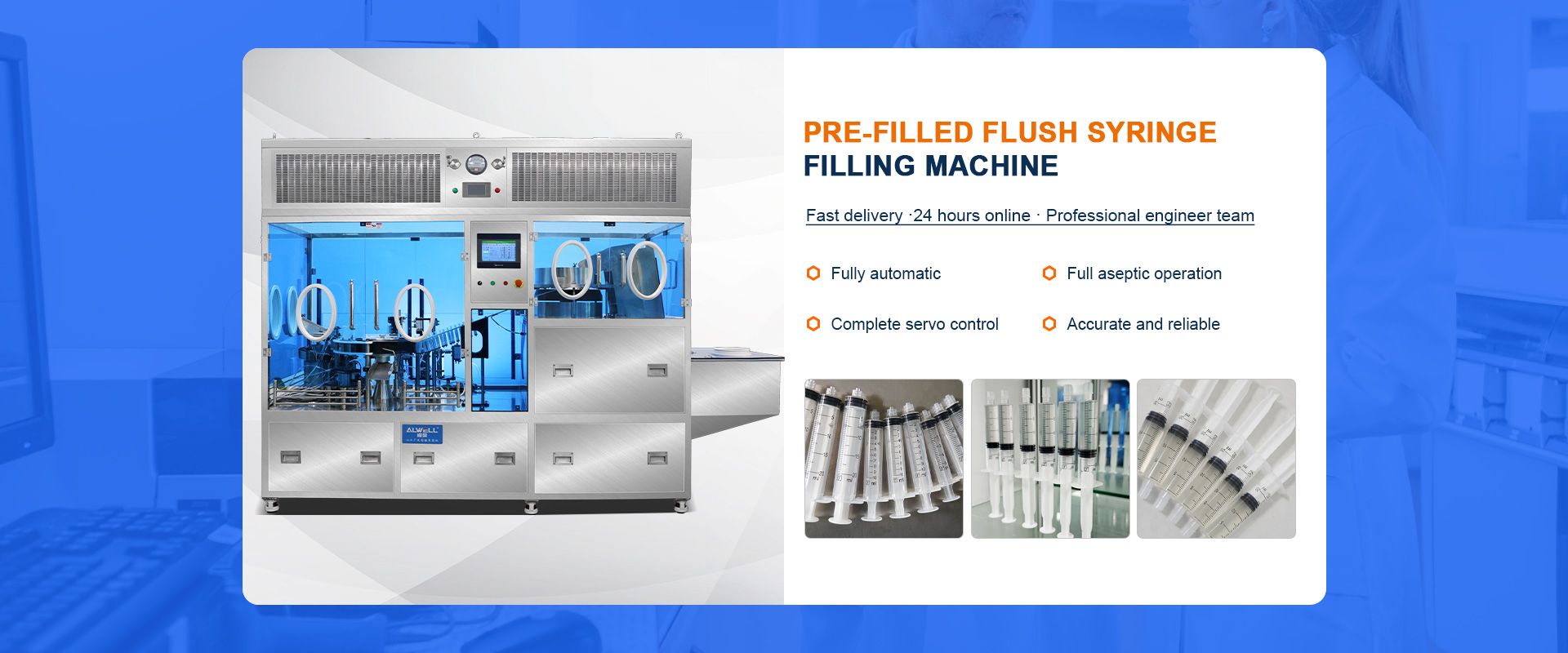
Maintenance Methods for Pre-Filled Syringe Filling Machines to Maintain Precision and Stability
1. Daily Cleaning
(1) Machine Surface
After daily operations, wipe down the machine surface with a clean, soft, damp cloth. This removes dust and residual liquid medication, preventing impurities from entering internal components and affecting filling accuracy and machine stability. For example, when producing sugar-containing medications, if not cleaned properly, sugar residues can attract dust, which may enter critical parts due to vibration and affect filling accuracy.
(2) Filling Components
Filling Nozzles
When switching between different types of medication or after work completion, thoroughly clean the filling nozzles. Follow the cleaning agent instructions: first disassemble the nozzle, soak it in cleaning solution, gently brush both inner and outer surfaces with a soft-bristled brush, then rinse thoroughly with large amounts of water and air-dry. High-viscosity medications that are not promptly cleaned may dry and clog the filling channel, directly impacting filling accuracy.
Piping
Regularly clean the pipes connected to the filling nozzles using a circulation flushing method. Allow the cleaning solution to circulate inside the piping for a certain period to remove residue and contaminants. Then flush repeatedly with clean water to eliminate any remaining cleaning agent, avoiding chemical reactions between residual cleaner and medication that could compromise product quality and machine stability.
2. Regular Lubrication
(1) Moving Parts
Key moving components of the pre-filled syringe filling machine—such as guides, lead screws, and gears—must be properly lubricated to ensure operational precision and stability. Lubricate regularly according to usage frequency and manufacturer guidelines (typically every week or two weeks).
Guides
Apply an appropriate lubricating oil evenly on the guide surface. Be careful not to let oil drip onto other components. Properly lubricated guides reduce friction, enabling smoother movement of the filling head and improving filling accuracy. Insufficient lubrication may cause jerky motion or stalling of the filling head, resulting in inaccurate dosing.
Lead Screws and Gears
Apply lubricating grease to the screw threads of the lead screw and the tooth surfaces of the gears to ensure full lubrication. Adequate lubrication ensures stable power transmission, reduces transmission errors, and enhances overall machine stability.
3. Component Inspection and Replacement
(1) Periodic Inspection
Inspect all components monthly or quarterly, including electrical components, mechanical transmission parts, and seals.
Electrical Components
Check sensors, relays, contactors, etc., for normal operation. Observe indicator lights and use a multimeter to measure voltage and current. Sensor failure may prevent accurate detection of fill volume or syringe position, significantly affecting filling precision.
Mechanical Transmission Components
Check belt and chain tension—neither too loose nor too tight. Excessive looseness causes unstable transmission and slippage, affecting filling synchronization and accuracy; excessive tightness increases wear and shortens component lifespan. Also inspect for signs of wear such as gear tooth damage or belt cracking—replace immediately if severe.
Seals
Inspect O-rings, gaskets, and other seals for aging, deformation, or damage. Replace them promptly upon detecting issues to prevent medication leakage or ingress of external contaminants into the machine.
(2) Replacement According to Service Life
Replace parts that have reached their service life as specified in the machine manual. Wear-prone components such as filling needles and piston seals degrade after repeated use, negatively affecting filling accuracy. Failure to replace them in time may result in inaccurate dosing or medication leakage.
4. Calibration and Adjustment
(1) Regular Calibration
Calibrate the pre-filled syringe filling machine every six months or annually, focusing on fill volume and positioning.
Fill Volume Calibration
Use standard measuring instruments (e.g., graduated cylinders, balances) to calibrate the fill volume. Adjust the filling parameters according to operating instructions so that the actual filled volume matches the set value. For instance, if the target is 5 ml but significant deviation occurs, calibration allows parameter adjustment to achieve higher accuracy.
Position Calibration
Calibrate syringe positioning and filling nozzle alignment to ensure the syringe is correctly located during filling and that the nozzle precisely aligns with the syringe. Misalignment may cause medication spillage outside the syringe or incomplete filling, compromising product quality and machine stability.
(2) Adjustment Based on Production Requirements
Adjust machine settings appropriately when producing syringes of different specifications or containing different types of medication. For example, when handling high-viscosity medications, adjust filling speed and pressure to ensure smooth and accurate filling. Due to poor fluidity, overly high speed or excessive pressure may cause splashing or uneven filling; conversely, too low speed or insufficient pressure may prolong filling time or result in underfilling.